
Description
Product Overview
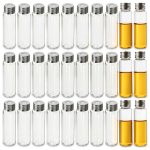
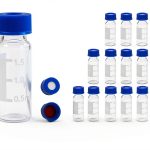
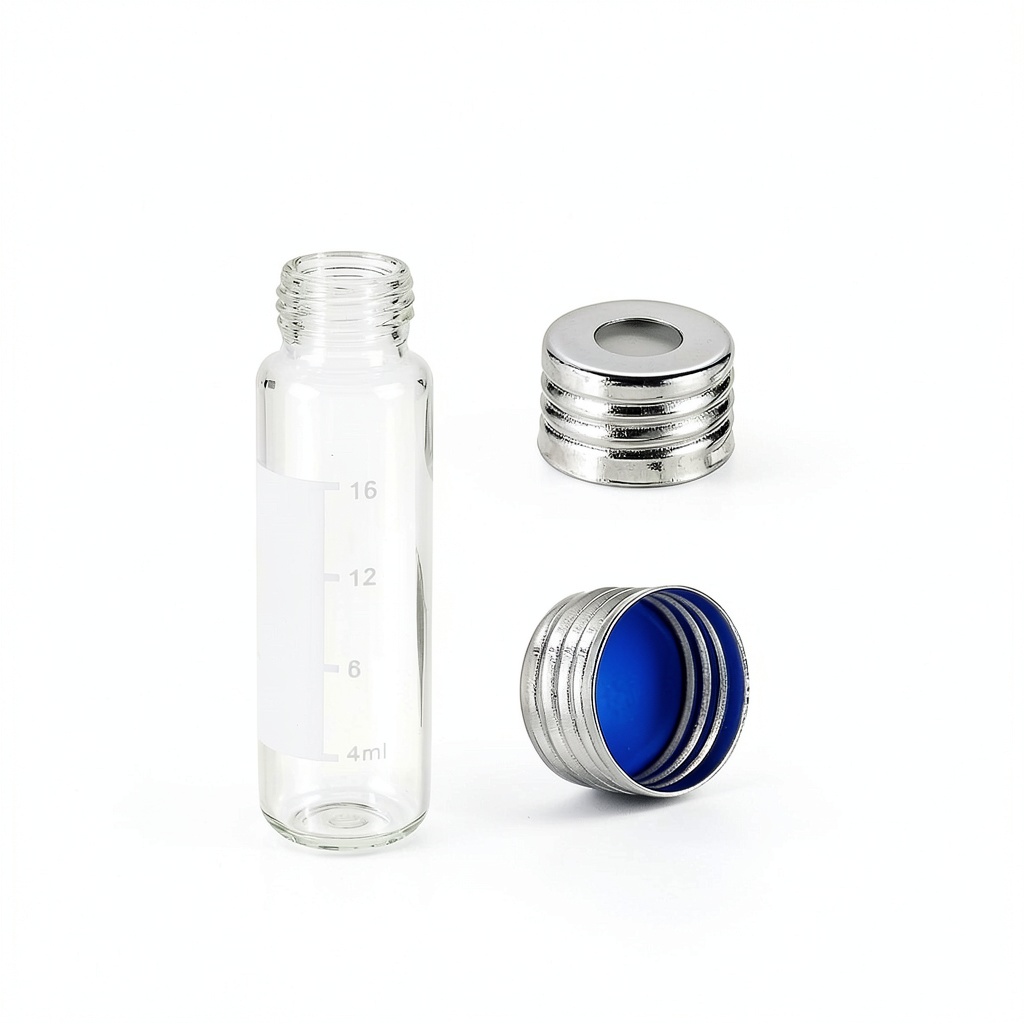
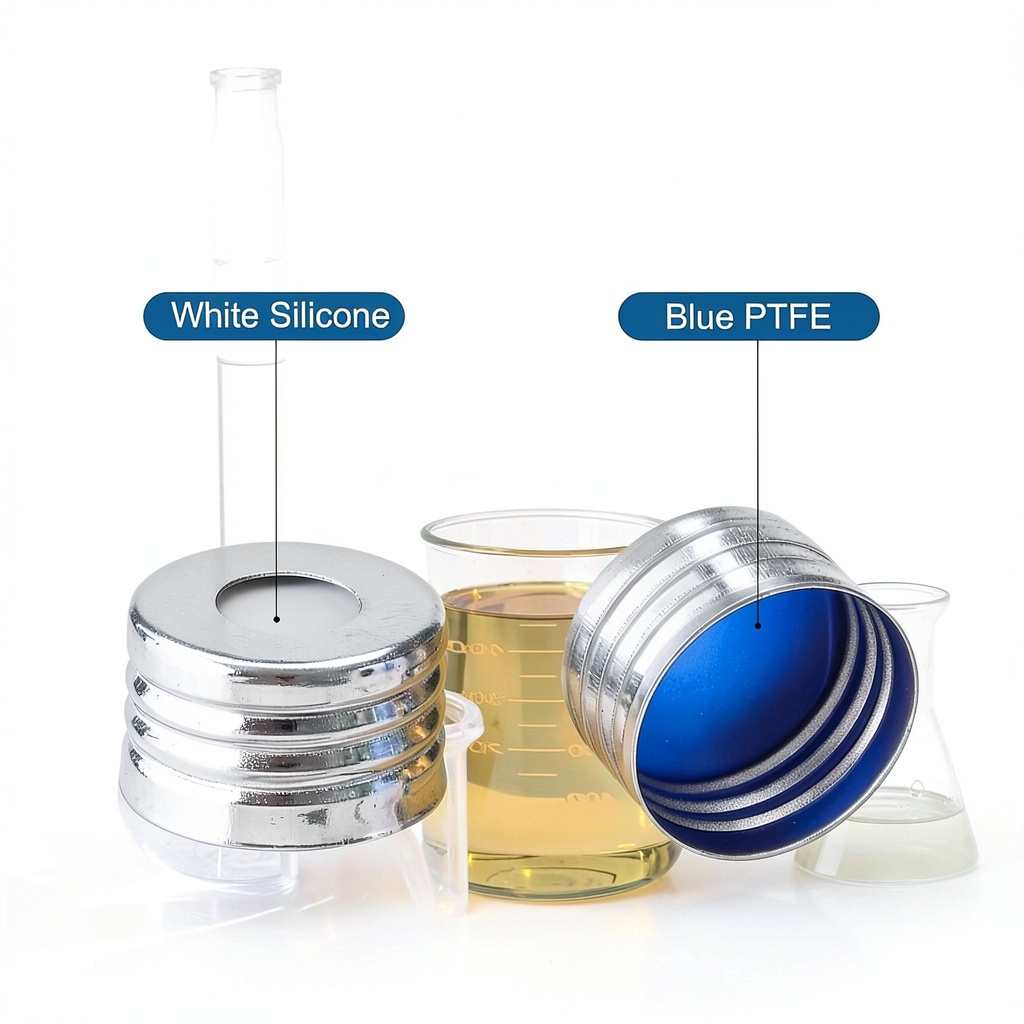
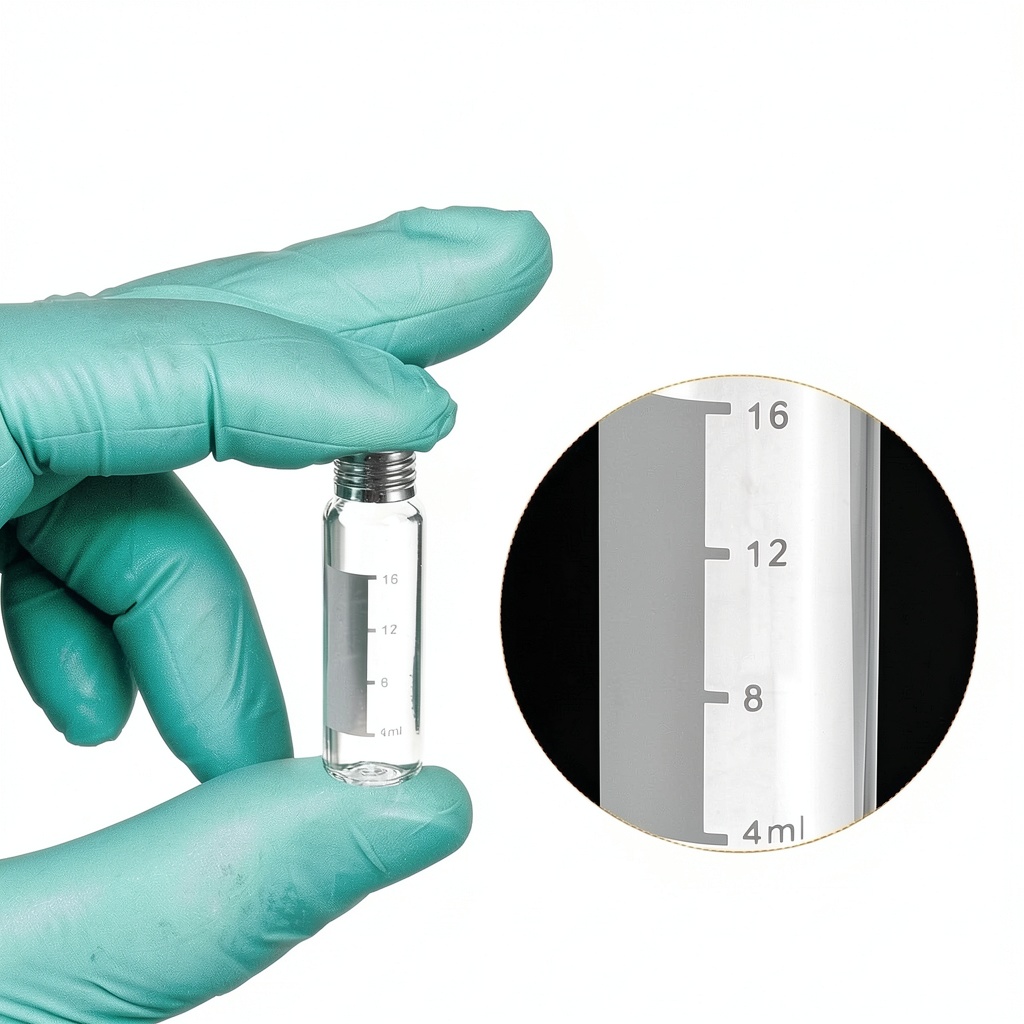
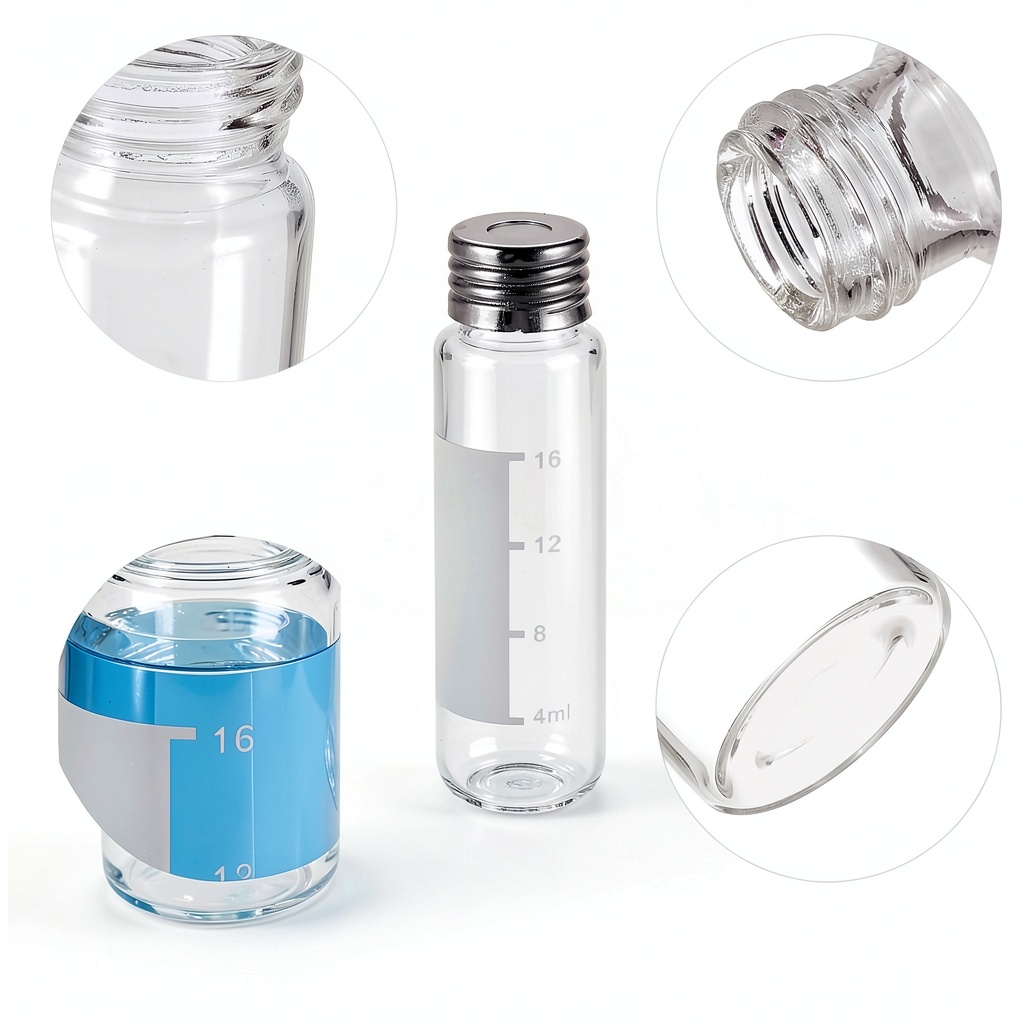
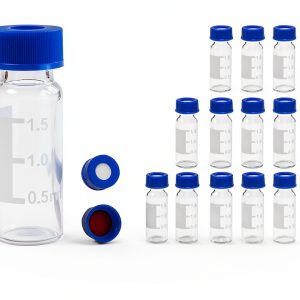
The PATIKIL 10ml headspace vial is engineered for precision analytical work in modern laboratories. Crafted from premium borosilicate glass, the vial offers superior thermal shock resistance, allowing it to endure rapid temperature changes without compromising structural integrity. The clear, chemically inert glass provides an unobstructed view of sample contents, facilitating easy visual inspection and verification. A precision‑machined screw‑thread cap, sized 11 × 18 mm, ensures a tight, repeatable seal that aligns perfectly with standard autosampler instruments. Integrated within the cap is a PTFE silicone septum, delivering an airtight barrier that resists solvent permeation and maintains sample integrity over extended storage periods. The vial’s graduated markings at 2.5 ml intervals aid in accurate volume assessment, while the pre‑slit septum design simplifies needle penetration, reducing the risk of sample loss or contamination.
![[Product front view showing all components]](https://www.flickerlight.store/wp-content/uploads/2026/08/8acdb51ef8ad4ca4af4f98ada19c8deb.jpg)
Usage
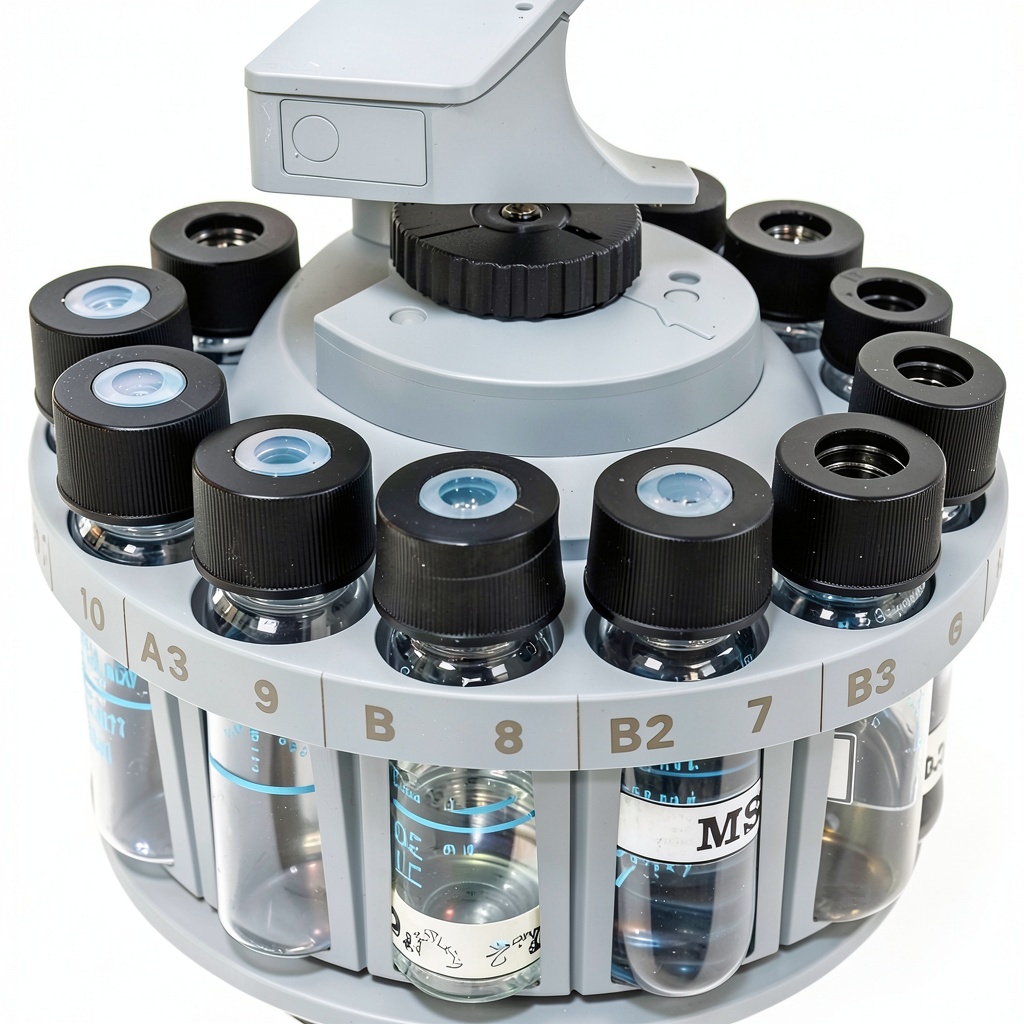
Designed for a broad range of headspace applications, this vial excels in gas chromatography (GC), headspace‑GC/MS, and solid‑gas analysis workflows. Researchers in environmental testing, food safety, pharmaceutical development, and petrochemical analysis rely on its consistent performance to generate reproducible results. The vial’s robust construction makes it suitable for high‑temperature incubations, such as thermal desorption processes, as well as low‑temperature storage for volatile compounds. Its compatibility with standard autosampler racks ensures seamless integration into automated workflows, reducing manual handling time and minimizing human error. Whether used for routine quality control or advanced research, the PATIKIL headspace vial provides the reliability required for critical analytical measurements.
Why Choose Us
PATIKIL has a long‑standing reputation for delivering laboratory glassware that meets stringent industry standards. Each vial undergoes rigorous quality control inspections, including dimensional verification, leak testing, and visual inspection for imperfections. The combination of borosilicate glass and PTFE silicone septa offers a unique balance of durability and chemical resistance, ensuring that aggressive solvents and reactive gases do not degrade the container. Our manufacturing process incorporates precision threading technology that guarantees uniform torque specifications, which translates to consistent sealing performance across thousands of vials. Additionally, PATIKIL provides responsive technical support and a clear return policy, giving customers confidence that any issues will be addressed promptly and professionally.
Key Features
- Durable borosilicate glass resists thermal shock and chemical attack, extending vial lifespan.
- PTFE silicone septum creates an airtight seal, preserving volatile analytes for accurate results.
- Precision screw‑thread cap ensures consistent positioning in autosamplers, reducing variability.
- Clear body with graduated markings simplifies sample identification and volume measurement.
- Responsive customer support and hassle‑free returns provide peace of mind for laboratory managers.
FAQ
What temperature range can the vial withstand?
The borosilicate glass construction allows the vial to tolerate temperatures from -196 °C (liquid nitrogen) up to 500 °C, making it suitable for most headspace heating protocols.
Is the PTFE silicone septum compatible with all solvents?
Yes, the septum is chemically resistant to a wide range of organic solvents, acids, and bases commonly used in analytical chemistry, ensuring no leaching or degradation.
Can the vial be used with standard autosampler racks?
Absolutely. The 11 × 18 mm cap size conforms to industry‑standard autosampler specifications, allowing seamless integration with most GC and LC autosamplers.
What is the recommended storage condition for unused vials?
Store vials in a cool, dry environment away from direct sunlight. Keeping them in a sealed container further protects the septa from dust and moisture.
How do I ensure a leak‑free seal during sample injection?
Apply consistent torque to the cap using a calibrated torque wrench (typically 5–7 Nm). This ensures the PTFE silicone septum compresses evenly, creating a reliable airtight barrier.

Reviews
There are no reviews yet.